

Small projects, big impact: infrastructure helping build stronger Queensland communities
Small projects, big impact: infrastructure helping build stronger Queensland communities
- housing
- infrastructure
When we think of infrastructure, it’s easy to picture massive bridges, highways or stadiums. But across Queensland, it’s often the smaller projects delivered in partnership with local communities that create the most meaningful change. These projects may not dominate headlines, but they are vital in shaping liveable, connected and resilient communities for generations to come.
The Department of State Development, Infrastructure and Planning (DSDIP) is proud to help facilitate initiatives that unlock opportunities, support growth and improve quality of life. Though small-scale, these infrastructure projects will have a big impact on Queensland’s future.
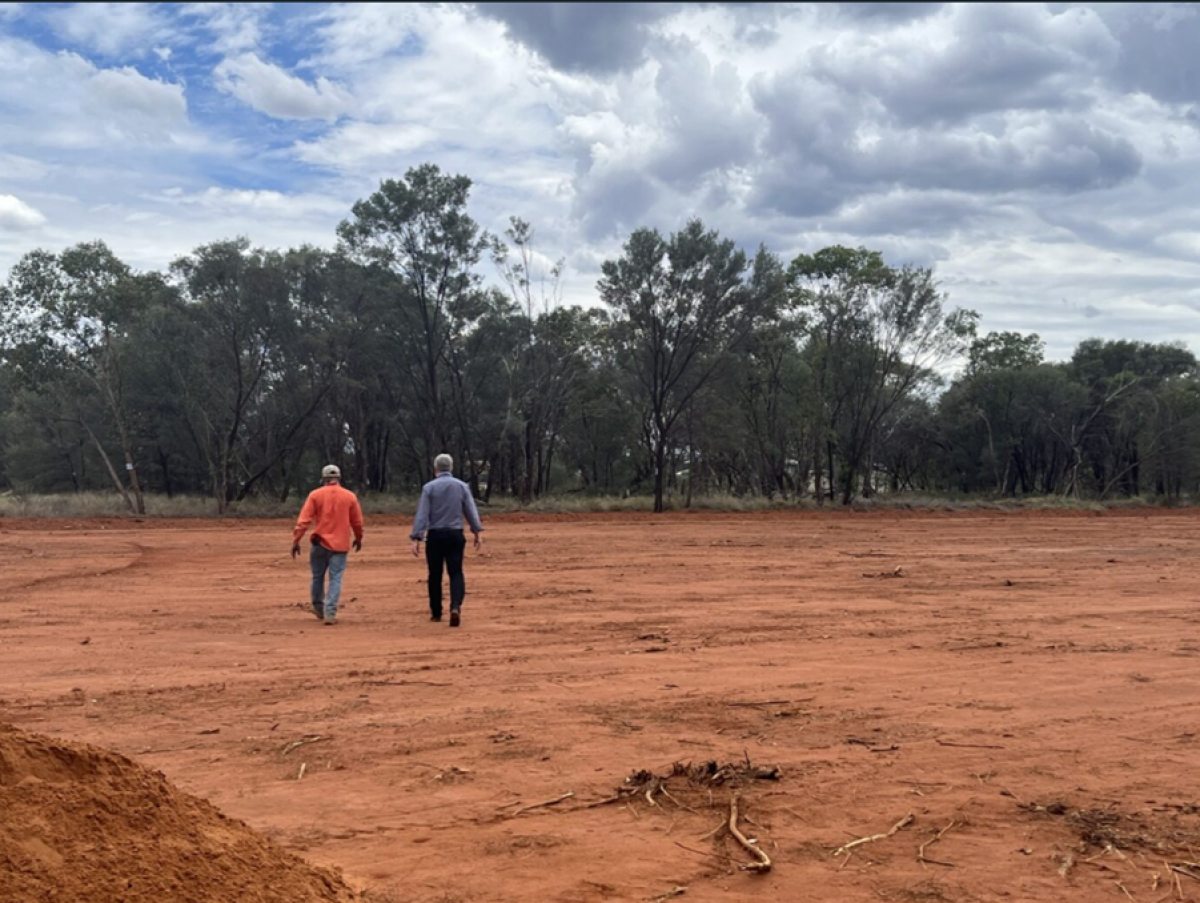
Charleville trunk infrastructure for Aurora Estate: unlocking land supply for new homes in the west
If you’ve ever watched the iconic Australian movie The Castle, you’ll know that a home is much more than walls and a roof. DSDIP is working to help deliver a million new homes by 2044 to house our growing population, but before any home can be built, essential trunk infrastructure needs to be in place to make that dream possible.
In Charleville, work is underway on new trunk infrastructure for the Aurora Estate - when completed, this project will deliver 65 new residential blocks in a flood-free area of Charleville. Proudly funded by the Queensland Government’s Residential Activation Fund, the project is being delivered by Murweh Shire Council and local construction partners to construct sewerage, telecommunications pit and pipes, sealed roads, kerb and channelling, footpaths, water supply, stormwater drainage and electrical infrastructure, unlocking land supply for new residential development.
This development demonstrates a collective vision for growth, opportunity and resilience, positioning Murweh Shire as a welcoming and thriving place now and into the future.
As our state continues to attract more residents, projects like this one in Charleville, while small, ensure we can grow sustainably in all parts of Queensland while protecting the lifestyle and communities that we love.
Tenthill Catchment Resilience Works: Protecting homes, roads and farms
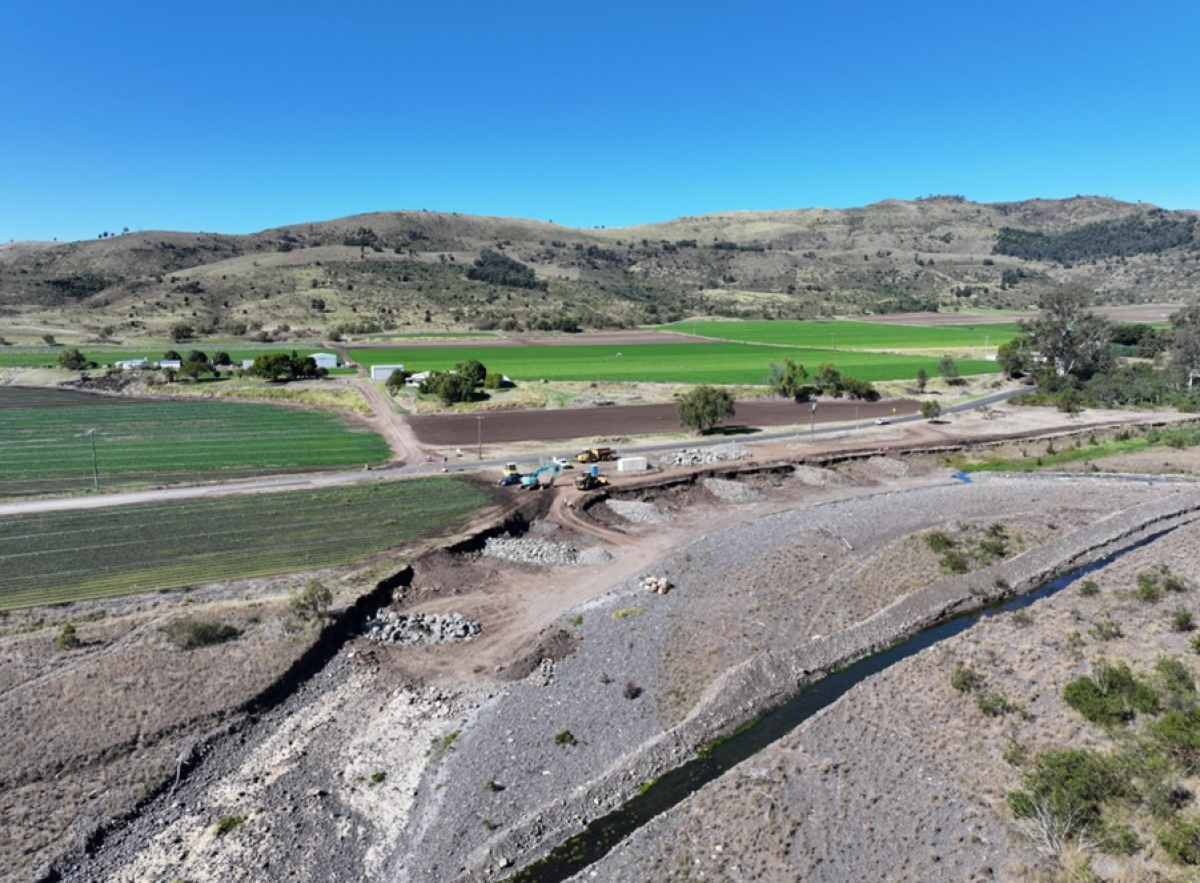
Queensland is the most disaster-prone state in Australia, frequently hit by severe storms, cyclones, and floods. But in the Lockyer Valley the Tenthill Catchment project, as part of Resilient Rivers SEQ, is helping protect one of Queensland’s most productive agricultural regions from the devastating impacts of flooding.
Funded under the SEQ City Deal in partnership with the Australian Government and Council of Mayors SEQ, DSDIp has supported Lockyer Valley Regional Council and local landholders to deliver practical solutions.
These solutions include:
- installation of rock groynes (walls) and reprofiled creek banks to reduce erosion.
- revegetation with more than 10,000 native plants to stabilise waterways.
- energy dissipation structures designed to protect roads, properties and farmland.
These improvements have already proven effective withstanding the impact of Ex-Tropical Cyclone Alfred last year, reducing sediment loss, safeguarding infrastructure and supporting the region’s $260 million agricultural industry.
By investing in resilience now, we’re helping communities recover faster and thrive in the face of future challenges.
Great Keppel Island wastewater treatment plant: supporting tourism and sustainability
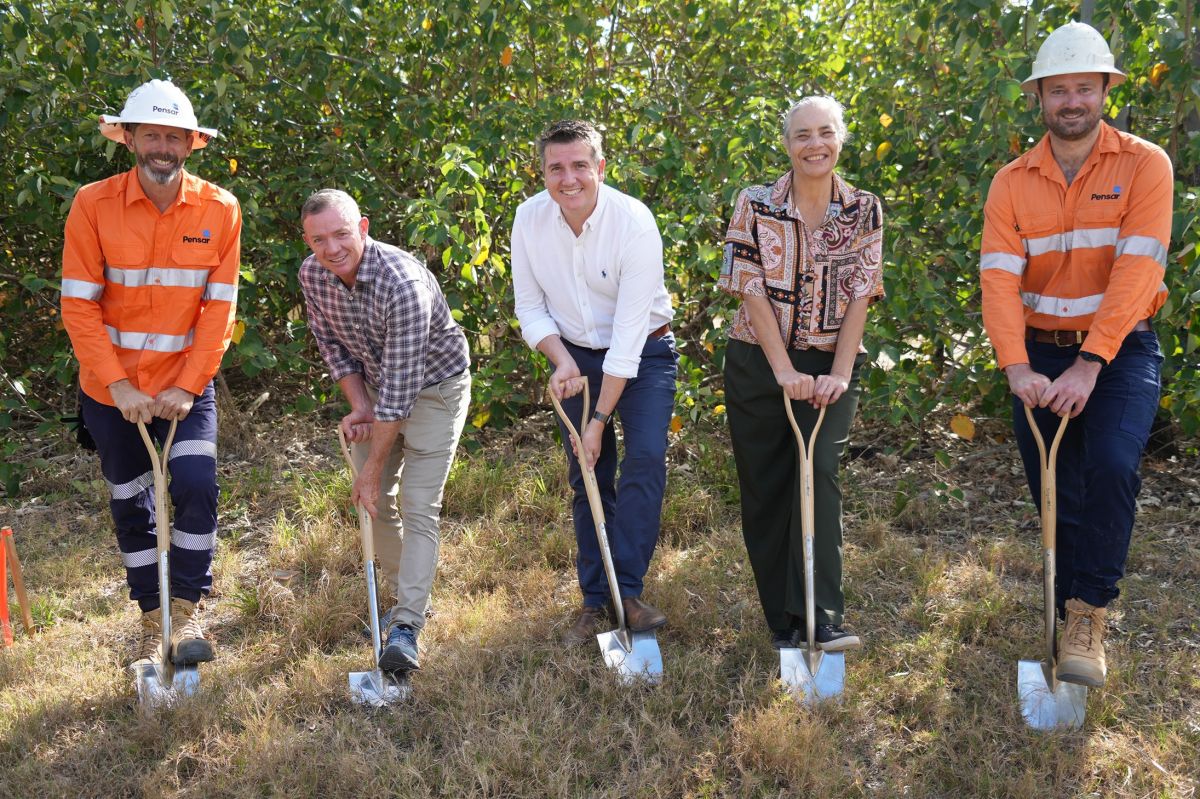
On Great Keppel Island (Woppa), construction is underway on a new $12.75 million wastewater treatment plant - a project fully funded by the Queensland Government as part of a $30 million commitment to rejuvenate the island.
Delivered in collaboration with Livingstone Shire Council and shaped by a community-led Project Reference Group, the plant will:
- provide essential services for accommodation providers and visitor amenities.
- convert wastewater into high-quality recycled water, supporting ecotourism and environmental goals.
- create jobs during construction and long-term opportunities in tourism and hospitality.
This is a major milestone in delivering the infrastructure needed to unlock the island’s tourism and economic potential and support long-term regional growth This project demonstrates how strategic infrastructure investment can unlock economic potential while protecting the lifestyle Queenslanders love.
Pacific Marine Base Bundaberg: enabling our state to develop and grow
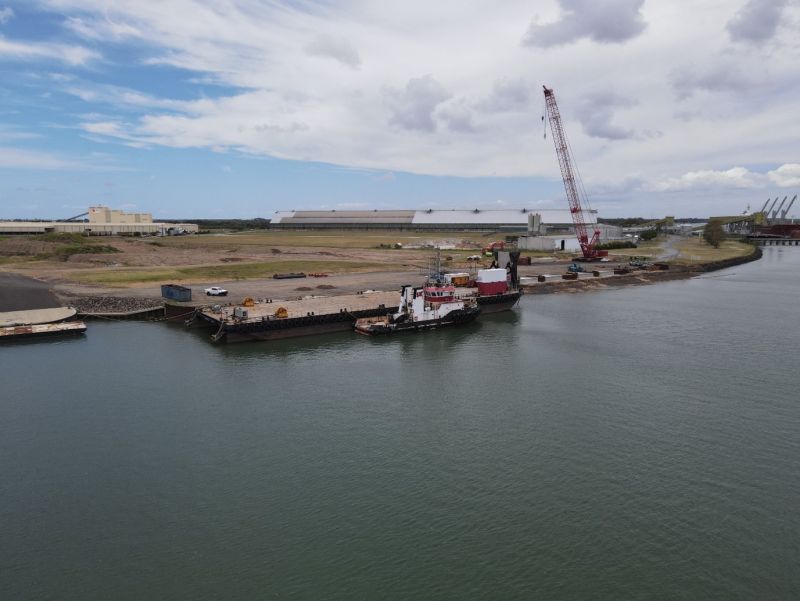
At the Port of Bundaberg, the completion of a new 200-metre general cargo wharf at Pacific Marine Base Bundaberg (PMBB) marks the first new shipping terminal at the port in a generation.
Launched recently with support from DSDIP’s Bundaberg Burnett Regional Office, Gladstone Ports Corporation and Bundaberg Regional Council, PMBB’s project unlocks opportunities across transport, logistics, mining, agriculture, energy and defence.
The facility provides:
- deep-water access
- roll-on/roll-off capability
- extensive hardstand space for large-scale projects.
These features are critical for defence logistics and major industry supply chains, positioning Bundaberg as a strategic hub for Queensland’s future industries.
This milestone shows how enabling infrastructure can drive regional development and support strategic priorities.
 © Pacific Marine Base Bundaberg
Building a better Queensland, one project at a time
These projects may be small in scale, and you may not have been aware of them, but their impact is enormous.
They protect homes, enable housing, support local economies and strengthen Queensland communities. They also reflect DSDIP’s commitment to planning for growth, building resilience and creating opportunities for every Queenslander.
Queensland is growing, and now is the time to future-proof the lifestyle we love. By focusing on benefits to people - not just bricks and mortar - we’re helping deliver infrastructure that matters.
Want to learn more about Queensland’s infrastructure program?
Visit the Queensland Government Infrastructure Pipeline and see how we’re building connected communities for the future.
Last updated: 20 Feb 2026