

Olympic & Paralympic Games in every climate
Olympic & Paralympic Games in every climate
The Olympic and Paralympic Games occur in winter and summer, with unique venues supporting athletes in their sporting climate of choice.
- brisbane2032
From Milano Cortina 2026’s mountainous alpine regions across northern Italy, to the sunburnt lands and coasts of Queensland, here’s how the two Olympic and Paralympic hosts are same same, but different.
1. Use of existing venues
In Milano Cortina, 85 per cent of competition venues are existing, one of the highest reuse rates in Olympic Winter Games history.
In Queensland, our 2032 Delivery Plan is upgrading 10 existing venues, working with existing owners to modernise facilities to meet international standards.
2. Turning athlete villages into permanent housing
In Milan’s Porta Romana, a low-carbon Olympic Village is planned to become student and affordable housing after the Games.
In Queensland, the Brisbane, Sunshine Coast and Gold Coast athlete villages will transform beyond the Games into permanent dwellings to help meet the demand for housing.
3. Spreading sports across multiple locations
The 2026 Winter Olympics are among the most geographically dispersed Games ever, using 25 venues across Milan, Cortina d’Ampezzo, Valtellina, and Val di Fiemme.
In Queensland, the statewide spread of sporting venues – from Cairns to the Gold Coast – aims to ensure the Games' benefits extend beyond the capital. This approach aims to balance the needs of elite competition with long-term community sport, transport, and housing legacy.
4. A keen eye on legacy
For Milan Cortina 2026, legacy comes from:
- Reuse of existing venues
- Enhancing northern Italy’s winter tourism economy
For our home Games in 2032, legacy is a core driver of the 2032 Delivery Plan, with:
- New venues designed for multi‑generational use
- Destination 2045 - a bold plan for delivering Queensland’s tourism future
- Major transport network expansions such as new rail lines and bus corridors
- Upgrades to community infrastructure through Games On!
Shaping generational infrastructure
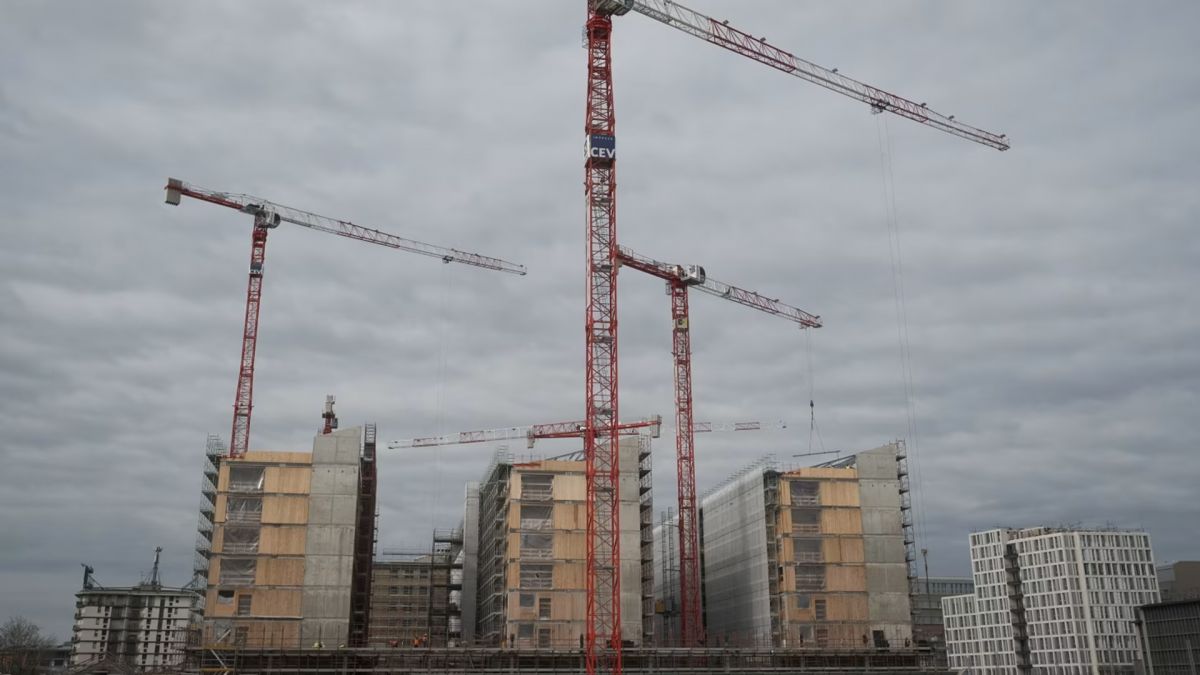
Milan Cortina 2026 and Queensland’s 2032 Games have more in common than you may think – winter or summer, infrastructure planning remains key to each event’s success.
Milan used an existing alpine sporting infrastructure, focusing on tradition while avoiding large-scale construction. Queensland is using the Games as a catalyst to build future‑facing infrastructure, transforming sport, housing, and transport for decades beyond 2032.
Both demonstrate that while the Games last just weeks, the infrastructure, and the choices behind it, shape regions for generations.
Last updated: 08 Apr 2026