

Living different: Stories of Queensland homes
Living different: Stories of Queensland homes
- housing
- infrastructure
Housing shapes how we live, work, and connect with others. When we think of housing, most of us picture the classic detached home with a backyard – maybe even a wide verandah and a few flowerpots. But across Queensland, the reality is much broader.
Our communities need a mix of housing options – different types, sizes and tenures – to suit people at various life stages. From townhouses and terrace houses to apartments and intergenerational homes, variety helps ensure everyone can find a home that fits their needs.
Queenslanders live in many different ways – some by choice, others by circumstance – reflecting changing lifestyles, priorities and pressures. Some prefer the convenience of apartment living close to work and study. Others value the space and independence of a detached home, or the connection and practicality of co-living or downsizing. However they live, Queenslanders are reshaping what ‘home’ looks like – and that variety is helping create stronger, more inclusive communities.
As populations grow, planners must consider how to provide a place to call home for all Queenslanders. A key question is whether new housing should be delivered by expanding outward into new areas, or by adding more homes within existing suburbs.
Traditionally, growth has occurred on the edges of cities, supporting the detached home associated with the “great Australian dream.” Today, planning also looks at opportunities for infill development, particularly in areas close to jobs, services and transport. Both approaches play an important role, and decisions about where and how to build will shape communities for generations.
In practice, it isn’t a choice between one or the other. A balanced mix of infill and greenfield development is needed, tailored to the needs and opportunities of each region.
The rise of apartment living
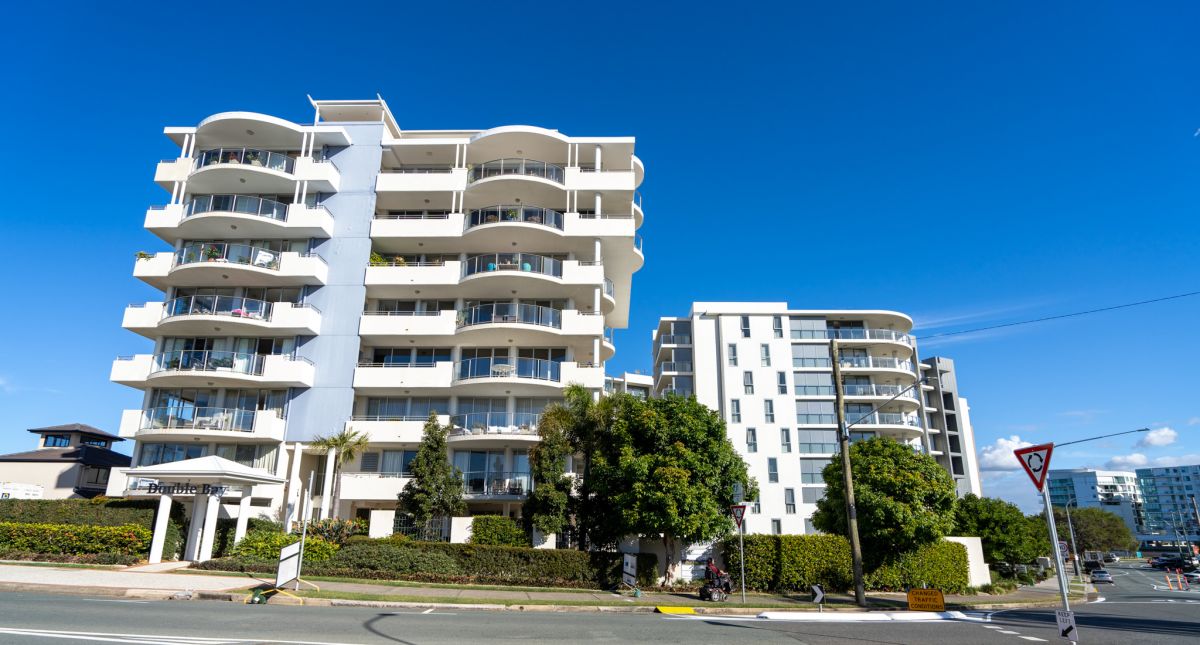
Life in Surfers Paradise offers plenty of perks: parks, beaches and an active outdoor lifestyle all within walking distance. That’s why Thomas and Emily chose an apartment in the heart of the Gold Coast, a practical option that balanced location and cost. After years of long commutes and traffic living half-way between Brisbane and the Gold Coast, being close to work, family and amenities felt like the right move for their family.
Their home supports a busy family routine. With parks, shopping centres, gyms and the beach nearby, they can walk almost everywhere. While the convenience of having everything close at hand is one of the biggest advantages there are some practical considerations for a family with a toddler and two dogs: maximising available space, such as the garage doubling as storage, and outdoor play means heading to nearby parks.
With Emily expecting another child, the family are planning ahead, with the hope to buy a home on the Gold Coast in the next few years. For now, they’re making the most of their vibrant neighbourhood and the fantastic parks that define their corner of Queensland.
Life in a detached house
For Lisa and Pete, living in a detached home in Cooktown, Far North Queensland, is all about space, privacy, and the freedom that comes with a clearly defined boundary. They love the natural light streaming through the windows. The ability for their children to play in a bigger yard, in particular, has been a change from their previous life in a duplex in South East Queensland.
Their home supports family life in practical ways: proximity to schools and room for the kids to grow. But it’s not without challenges. They moved north for work and are renting for this next phase of life. As their children get older, they anticipate needing more bedrooms and extra space for study and work.
What they value most, though, is the setting, identifying that “the amazing mountain views surrounding Cooktown from the front and back of our house” are a daily highlight. The streets are lined with mango trees, and they even have one in their own yard – a small detail that makes this place feel special.
While they don’t see this as a permanent home, Lisa and Pete appreciate the lifestyle currently offered by their detached house: room to breathe, a safe space for family and a connection to the natural beauty of Queensland.
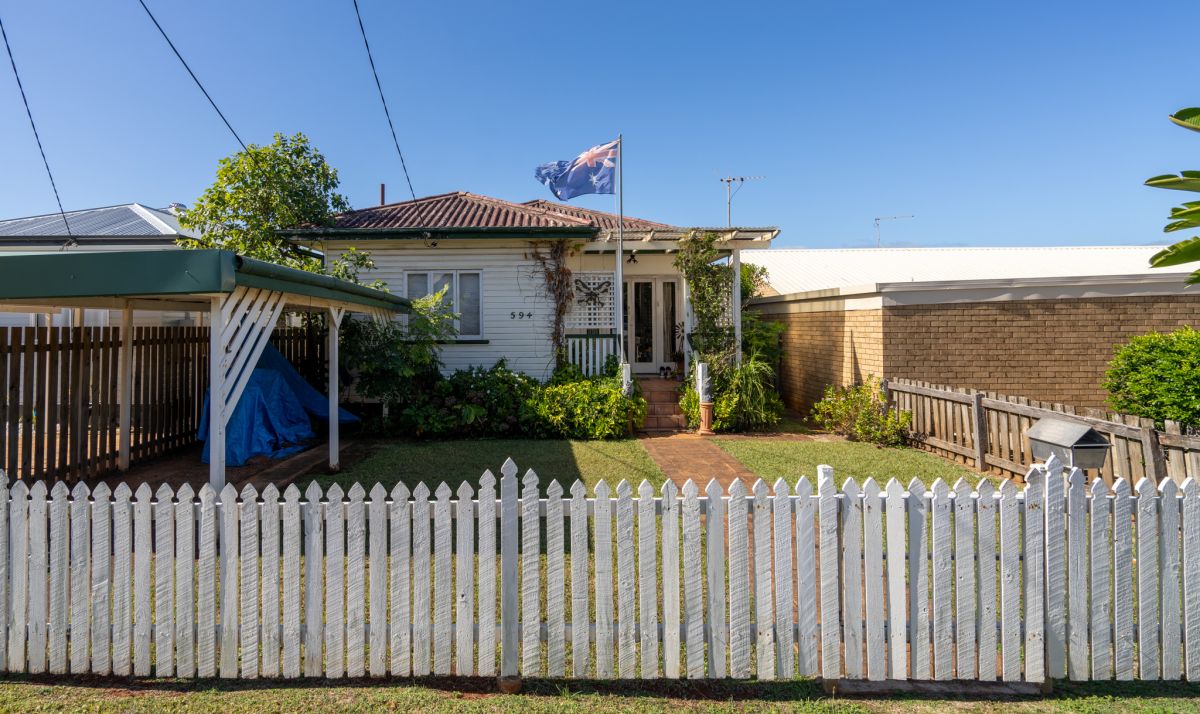
For Chris and Harry, living in a detached home in Quilpie is about space, peace and the joy of their garden. Surrounded by trees and birds, they enjoy a quiet lifestyle with the added bonus of being able to grow their own vegetables and provide a regular supply of fresh produce right outside their door. While they value the strong sense of community, they also appreciate not living on top of their neighbours.
Their home suits their lifestyle perfectly. There’s plenty of room for Harry’s (multiple) sheds and enough space to host their three adult children when they visit from Brisbane. Weekend breakfasts on the deck (when it’s not too hot) are a cherished routine.
Of course, space comes with trade-offs. Maintaining a large house and garden in South West Queensland can be demanding, especially in the summer heat. Gardening and lawn care become big, constant tasks. Winters, however, are beautiful and make it all worthwhile.
Chris and Harry plan to stay in their home as long as possible. They love the slower pace of life of the outback, the ability to come home for lunch every day. “There is a very strong sense of community, there’s always something on and people working hard to make it a great place to live,” Chris says.
While they may eventually need help with garden maintenance, they hope to keep enjoying their space and community for years to come.
Downsizing for comfort
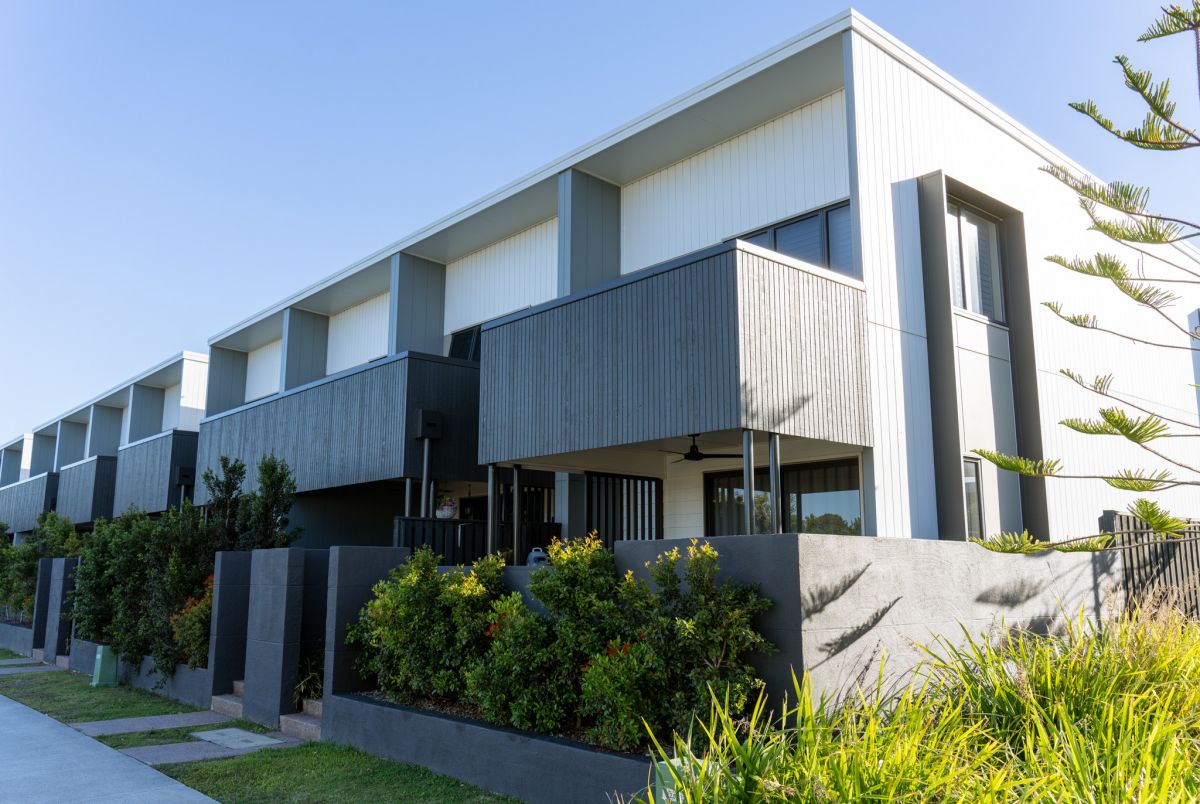
With family roots in Ipswich stretching back to the 1890s and some great-grandchildren now calling it home, David and Jan have always felt a strong connection to their community. When age became a factor to consider as part of their lifestyle and living arrangements, they knew staying local was non-negotiable, which led them to downsize and move from a detached house in Ipswich to an apartment in a retirement village being built nearby.
Being able to stay close to family, their existing community and the ability to maintain their regular routine, like involvement in their local church, were key considerations when making their downsizing decision.
What they didn’t expect was how much their new lifestyle would enrich their lives. Retirement village activities and events like morning teas and information discussions featuring guest speakers, have helped David and Jan feel more connected than ever. Beyond these scheduled events, they’ve found joy from the simple act of greeting and having conversations with neighbours – something that’s led to new friendships and a renewed sense of belonging.
Living in a retirement village has also brought practical benefits: easier access to healthcare, support services and added security. And perhaps best of all? No more lawns to mow.
Exploring co-living spaces
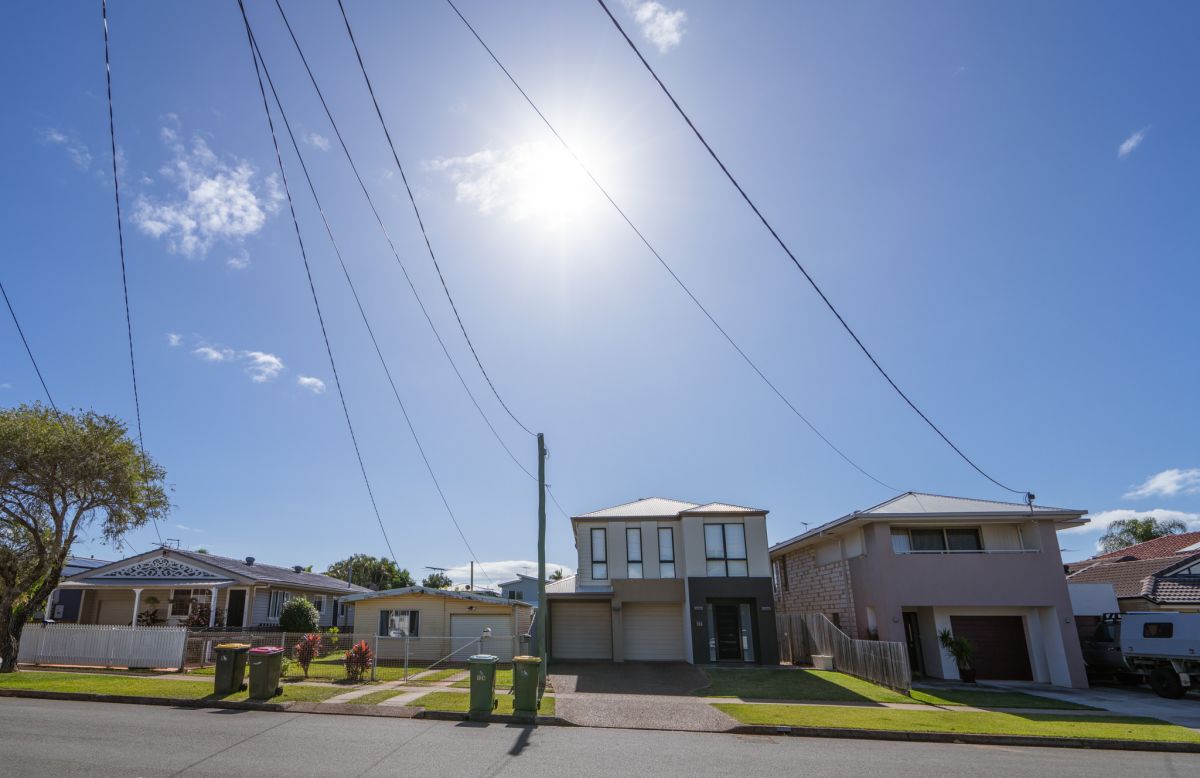
For Nick and Bronwyn, now both in their eighties, choosing an intergenerational household wasn’t a leap into the unknown – it was a decision grounded in experience and practicality. Having previously cared for their own parents in a similar setup, they understood the benefits and challenges of shared living. This time, the motivation was clear: sharing the logistics and expenses of living with their daughter in a location they all love – the Sunshine Coast – while supporting each other through life’s changes.
Knowing that communication is key, the family makes a conscious effort to cooperate and talk openly, even holding the occasional house meeting to exchange ideas and make decisions. This approach helps balance privacy with togetherness, ensuring everyone feels heard.
Day-to-day, the benefits are tangible. Costs are shared, caring roles are easier when health issues arise and overlapping social circles keep everyone connected. At the same time, each person has space for privacy when needed.
But the biggest surprise has been the richness of ideas and opportunities that come from having different generations under one roof. Varied perspectives have made decision-making more creative and life more interesting.
Nick and Bronwyn advised that their choice of housing isn’t a short-term arrangement. “The plan is for this living situation to see us out for the remainder of our lives,” they say. And with so much to enjoy in their corner of Queensland, from birdlife at dawn to endless activities nearby, it’s a choice that feels right.
Planning for the future
Queensland’s housing story is evolving. These real-life examples show that homes aren’t just buildings – they shape how we live, connect and care for each other. From apartments near the beach to intergenerational households and retirement villages, every choice reflects changing lifestyles and priorities. Also created by a mix of building in and building out.
Creating a place to call home for all Queenslanders isn’t something one group can do alone. It takes collaboration across all levels of government and the support of industry and community partners to make sure Queenslanders have access to homes that suit different needs and life stages. This means planning for growth and investing in infrastructure that keep communities connected and liveable.
When people can find housing that works for them, communities thrive: families stay connected, older Queenslanders feel supported, and everyone has the chance to live close to work, study, and the people and places they love.
Creating a place to call home for all Queenslanders isn’t something one group can do alone.
Last updated: 01 May 2026