

Greening our cities: Building cooler, healthier communities
Greening our cities: Building cooler, healthier communities
- infrastructure
- renewables
South East Queensland (SEQ) is growing fast – our population is expected to reach nearly six million by 2046.
With this growth comes a challenge: how do we keep our cities liveable, sustainable and resilient in the face of rising temperatures and urban density?
One answer lies in green urban infrastructure – the trees, parks, water-sensitive streetscapes and natural corridors that make our cities cooler, healthier and more connected.
What is green urban infrastructure?
Green urban infrastructure refers to networks of functional green spaces and nature-based systems in urban areas that provide benefits for both people and ecosystems. It’s about integrating nature into city design to improve amenity, health, and resilience.
Examples include:
- street trees and vegetation for shade and cooling
- pedestrian paths and cycleways with green features to encourage active transport
- water-sensitive urban design measures such as bioswales and rain gardens, which help manage stormwater runoff
- shade and urban cooling features such as tree canopy to reduce localised heat
- waterways, water bodies, parks, and bushland that connect communities and wildlife.
These elements are placed strategically and maintained to deliver economic, environmental and social benefits, especially in areas experiencing rapid growth or increases in urban heat.
Rooted in resilience
Urban areas are prone to the urban heat island effect, where tracts of hard surfaces like asphalt and concrete absorb and radiate heat, making cities hotter than surrounding zones with green belts or softer landscapes. This impacts health, energy use, and overall liveability.
By incorporating green infrastructure into urban environments, we can:
- cool our cities and reduce heat stress
- improve air quality and stormwater management
- support biodiversity and create habitats for wildlife
- encourage active transport, making walking and cycling safer and more appealing.
As Michael McKee, Deputy Director-General of the Department of State Development, Infrastructure and Planning, explains:
“The urban heat island effect makes dense urban areas hotter, which impacts liveability, so initiatives like planting street trees and building cycleways will be essential as SEQ’s population grows.
“Projects like this make our communities better places to live, including encouraging active transport options, reducing urban heat, supporting healthy lifestyles, and boosting green spaces and biodiversity.”
Branching out: Local projects making a difference
With the Queensland Government’s support, four councils in South East Queensland are delivering co-funded projects that show the power of green infrastructure:
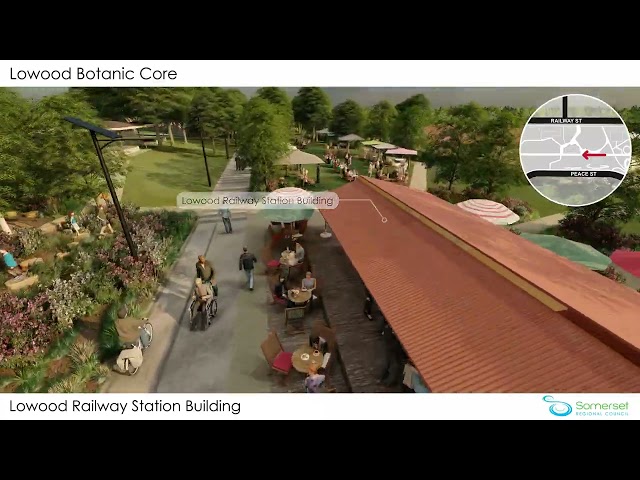
Lowood Botanic Core (Somerset):
In the rural town of Lowood, a car park and former rail siding are being transformed into a vibrant park and green space with mature trees, landscaped areas, seating, paths and a memorial plaza. This space will provide a cool, shaded hub for the community – offering UV protection even at the hottest times of the day. It will also reduce the urban heat island effect in the centre of Lowood, which is one of the fastest growing towns in the Somerset region.
Mabel Park Waterway Naturalisation Project (Logan):
At Mabel Park, Slacks Creek, Logan City Council is restoring 170 metres of concrete channel into natural habitat and adding 200 metres of pathways, 0.8 hectares of vegetation and 100 shade trees to the 4.2-hectare park. This project creates a vital green corridor through Slacks Creek, improving stormwater treatment, biodiversity, and urban cooling.
Cool City Streets – Moreton Bay Shade Tree Program (Moreton Bay):
Some 3500 native trees will be planted in 12 areas across Moreton Bay, providing shade along 100 kilometres of popular walking routes and around community facilities. This initiative targets vulnerable residents, particularly those at risk of urban heat effects, and encourages walking and cycling by cooling key community routes.
Ipswich Central Urban Greening (Ipswich):
Part of the Ipswich CBD’s ongoing urban renewal, this project will enhance Ginn, Nicholas, and Limestone streets with trees, shade structures, and green spaces to reduce heat, improve air quality, and support active transport. Water-sensitive design and light materials will cool surfaces, connecting key destinations including the Ipswich Hospital and creating a healthier, more vibrant Ipswich CBD.
Leaf it better: The bigger picture
Green infrastructure isn’t just about planting trees – it’s about creating liveable cities that can thrive as our climate changes and our population grows. These projects:
- reduce urban heat and UV exposure
- support economic uplift by making precincts more attractive
- encourage healthier lifestyles through active transport
- build resilience against flooding and extreme weather
As SEQ continues to grow, investing in green urban infrastructure ensures our communities remain cool, connected, and welcoming for generations to come.
Find out how the Queensland Government is working with our partners to enhance the liveability of South East Queensland communities through the SEQ City Deal.
Last updated: 10 Dec 2025